Katniss Everdeen – Truly ORIGINAL Characters Series: Part 24

katniss everdeen
Welcome to Original Characters, an ongoing series of Industrial Scripts’ articles examining the most original characters to appear in both TV and film. This article will focus on Katnis Everdeen from The Hunger Games (2012). View all Truly Original Characters + Table of contentsWhat is an original character?Who is Katniss Everdeen?The Struggle in District 12Survival Instincts and SkillsNavigating Psychological Warfare and Symbolizing RebellionForming Alliances and Building BondsCatalysts for Unity and Rebellion Beyond the ArenaUnwavering DeterminationA Symbol of Resistance and Hope Amidst Capitol’s Oppression”Conclusion What is an

Read more

How Do You CREATE and MAINTAIN Empathetic Characters?

There are many important aspects to writing a great screenplay; good dialogue, interesting settings, unique stories, and good characterisation. However, little is arguably more important than creating and maintaining empathetic characters. Empathetic characters are the cornerstones of most great stories. Without an empathetic protagonist, in particular, the audience may struggle to connect to your story, narrative arcs, themes and even setting. Even the seemingly most unlikeable of characters will have something in the way of empathy; a reason to be

Read more

What is Personification and Why is it Useful in Screenwriting?

Inside Out Personification in Screenwriting
Personification is a popular literary device that uses figurative language and can be a powerful tool in creating memorable characters and settings. However, it is not just used in poems and novels. It can be used by screenwriters and filmmakers to bring their stories to life – literally! In this article, we’ll define personification, explore why writers and screenwriters choose to use it in their work, and how it can be effective in storytelling. Table of ContentsWhat is Personification?Why is

Read more

What is Indirect Characterization in Screenwriting? 12 KEY Steps

The Social Network Indirect Characterization
Indirect characterization is an essential part of constructing a convincing and compelling fictional character. Whether your character is a hero, a villain or a sidekick, they are always more interesting and enjoyable to watch if they are well-rounded and developed with realistic behavior. This is what indirect characterization can add to the writing of your characters. So in this article, we will provide a detailed definition of indirect characterization as well as tips on using it to its best potential. Table of

Read more

How Do You Write a GREAT Sidekick Character?

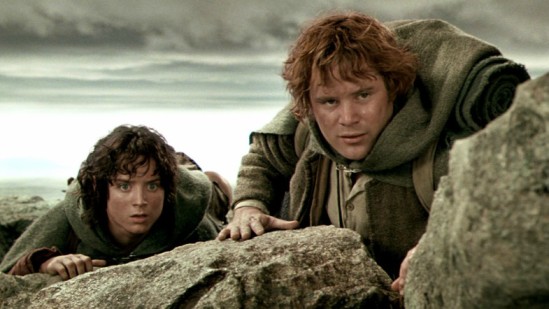
Samwise Sidekick Character
Writing a sidekick character can come with a lot of creative freedom. Where your protagonist or hero may have a rigid characterisation, a sidekick can complement them in many different ways. Are they a life-long friend, a reluctant ally, or even an animal? As the name suggests, their main role is to assist the protagonist (or perhaps antagonist). As such, a sidekick can be equally as crucial to story development as those that they accompany. Despite not being at the center

Read more

How Do You Write a Convincing and Powerful Death Scene?

Iron Man Death Scene
How to write a good death scene? This is a question writers may well have been pondering since stories were told on the walls of caves. From Shakespeare to Spielberg, death scenes are ever-present in storytelling. Sometimes death in a film or TV show doesn’t even have to be realistic to have us mourning our favorite characters. Audiences have shed many tears over a fictional, fantastical death before. A great death scene can make or break the legacy of a

Read more

What is an Unreliable Narrator and How Do You Write One?

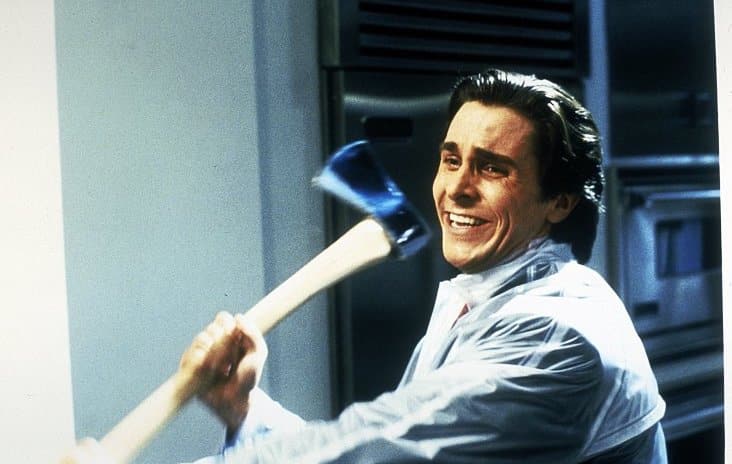
American Psycho Unreliable Narrator
It’s comforting to settle into a story where we can trust the narrator to guide us easily and expertly. The narrator is, after all, the audience’s compass through the story, a framing device on which they can rely heavily. However, not all narrators can be trusted with equal measure. The unreliable narrator can lead the audience down the wrong path either on purpose or by virtue of their personality. But what’s the use of an unreliable narrator in screenwriting? And

Read more

Ruth Langmore – Truly ORIGINAL Characters Series: Part 20

Ruth Langmore Ozark Original Character
Welcome to Original Characters, an ongoing series of Industrial Scripts’ articles examining the most original characters to appear in both TV and film. This article will focus on Ruth Langmore from Ozark. View all Truly Original Characters + Table of ContentsWhat is an Original Character?Who is Ruth Langmore?What Makes Ruth Langmore an Original Character?Ruth Langmore and the LangmoresRuth and MartyRuth Langmore and Ben DavisA Compelling and Unique Presence What is an Original Character? It’s a character that sticks with you even when they’re long

Read more

What is a Mary Sue Character And How Do You Avoid Writing One?

Rey Mary Sue Character
In recent years, there has been a lot of dialogue around who the term Mary Sue can be ascribed to and what constitutes it. But what, fundamentally, is a Mary Sue character? And perhaps more importantly, with it being seen largely as a negative trait for a screenplay, what can be done to avoid it? In this article, we look into the meaning of a Mary Sue character and how you can protect against writing one in your screenplay. So,

Read more

What is the Special Girl Trope and How Do You Avoid It?

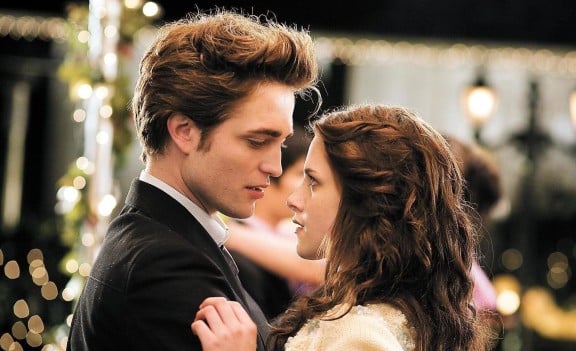
Twilight Special Girl
As a screenwriter, a trope can be both your best friend and your enemy. How is a writer meant to stand out when the same plot line has been repeated a million times before? At the same time, a trope is often a trope because it taps into something that audiences want to see. There is perhaps little better example of this than the Special Girl trope. Film constantly influences society; how we think about ourselves and how we view

Read more

The BEST Series Finales and What They Teach About Writing TV

Sopranos Series Finale
How do you finish writing a TV series? We all know the feeling of being disappointed by a series finale, mourning not only the loss of a treasured show but also an unsatisfying ending. But what about the series finales which leave us with our jaw on the floor (in a good way)? What can these brilliant series finales teach screenwriters about storytelling and about TV writing? We take a look at some of the best examples and analyze what

Read more

Writing Act Two: The Conflict – An ESSENTIAL and SIMPLE Breakdown

Dune
So you’ve finished act one. You’ve got your beginning and you probably have some ideas about your ending, but how do you create your middle? What happens between the end of the first act and the beginning of the third? Well, appropriately enough, writing act two is next on the agenda. Act two is the core of your story. The central, overarching plot and all your character arcs come into play. It’s for these reasons that writing act two is

Read more

How Do You Write Highly Realistic Dialogue? The 10 KEY Steps…

The Master Realistic Dialogue
One of the biggest humps to get over when writing for film or television is dialogue. Even if you have a perfect story, outline, and characters, bad dialogue can bring the whole operation down. 99% of the time, what you need is to have realistic dialogue. Of course, not every project needs realistic dialogue all the time (see: The Grand Budapest Hotel). But unless your premise and tone align along wacky lines or you have a specific stylistic remit, it’s

Read more

How to Effectively Weave Character Backstory into Your Screenplay

The Godfather Character Backstory
So, you made it through one of the hardest parts of writing a screenplay; you created your characters. From childhood trauma to adulthood adventures, you’ve fleshed out your entire character backstory. You should be excited to move forward. Any main character of any compelling story has to have a backstory to match. And anytime you write a character whose story deserves to be told, it’s important for the audience to know your character’s entire history so they love your character

Read more

Shiv Roy – Truly ORIGINAL CHARACTERS Series Part: 15

Shiv Roy Succession Original Character
Welcome to Original Characters, an ongoing series of Industrial Scripts articles examining the most original characters to appear in both TV and film. This article will focus on Shiv Roy from Succession. View all Truly Original Characters + Table of ContentsWhat is an Original Character?Who is Shiv Roy?What Makes Shiv Roy an Original Character?Shifting LoyaltiesShiv’s Relationship with LoganSibling Rivalries The Gilded CageFashion Sense and ImageIn Conclusion What is an Original Character? It’s a character that sticks with you even when
Read more

The Essential Elements of Writing a Fish Out of Water Story

Ted Lasso Fish Out of Water Story
Table of ContentsWhat is a Fish Out of Water Story?The Essential Elements of a Fish Out of Water Story1. Subjective Perspective2. Objective Uses 3. Partial Fish Out of Water4. Don’t Be Afraid of Exposition5. Conflict is in the Nature of a Fish Out of Water StoryThe Fish Out of Water Narrative Structure1. The Introduction of a Whole New World2. Making Mistakes3. Success 4. The Biggest Challenge Yet 5. The FutureThe Fish Out of Water – In Conclusion In Summary What

Read more

How Do You Write Likeable Characters? ESSENTIAL Steps and Examples

Likeable characters are often at the heart of great TV and film. But what makes a likeable character? In this article, we’ll look at the keys to writing a likeable character that convinces in their depth and realism and what makes a likeable character in the first place. We’ll also take a look at some great examples of likeable characters, demonstrating how the best of them are created and realised on screen. Table of ContentsWhat is a Likeable Character?The 6

Read more

How Do You Write a Cinematic Two Hander? The ESSENTIAL Steps

The Lighthouse Two Hander
A movie that not only follows one protagonist but two always feels like one with an added layer of depth and substance. In the screenwriting world, this kind of movie, with dual protagonists, is often called a two hander. Many movies and genres follow the arc of dual protagonists. It’s a popular form because you get to see two distinct characters on a journey together. The audience watches their conflicts push the story forward and how they develop as characters

Read more

How Do You Write A Character Bio? The Road to GREAT Characterisation

Tony Soprano Character Bio
Character bios can be an essential part of writing your character. There is no story without a character, just as there is no character without a character bio. Every writer needs some semblance of a bio before they can start writing because it is the only way to truly know who your character is. Without one, it’s harder to feel their existence as something tangible. The best way to think of a character bio is as it being their passport.

Read more

Tyler Durden – ORIGINAL CHARACTERS Series Part: 9

Tyler Durden Original Character
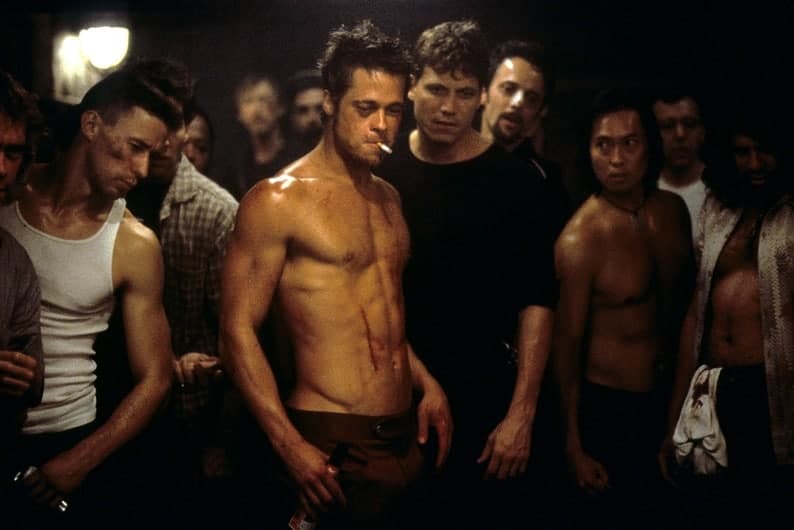
Welcome to Original Characters, an ongoing series of Industrial Scripts’ articles examining the most original characters to appear in both TV and film. This article will focus on Tyler Durden from Fight Club. Table of ContentsWhat is an Original Character? Who is Tyler Durden? What Makes Tyler Durden Original? Multi-Dimensional CharacterTyler’s PurposeTyler’s InfluenceAn Anti-Hero’s JourneyTyler Durden & Masculinity In Conclusion What is an Original Character? It’s a character that sticks with you even when they’re long gone from your screens. It’s a character that serves as

Read more

The 10 Critical Steps of Good Character Development

Joker Character Development
In writing a screenplay, with every character, you create them and take them on a journey. But how do you get to that point? How do you know who your character is and where to take them? This is the essence of character development. Furthermore, when you create a screenplay, you’re not only creating the lead characters, but you’re also responsible for creating supporting characters, as well as minor characters. And if you’re writing for TV, you potentially will need

Read more