

How to write a good death scene? This is a question writers may well have been pondering since stories were told on the walls of caves.
From Shakespeare to Spielberg, death scenes are ever-present in storytelling. Sometimes death in a film or TV show doesn’t even have to be realistic to have us mourning our favorite characters. Audiences have shed many tears over a fictional, fantastical death before. A great death scene can make or break the legacy of a loved character. It can even impact the impression of the entire story as a whole.
As for answering the all-important question in the title, there is no definitive route to writing a powerful and convincing death scene. The very least a writer must do to make a death scene convincing and good is to make it emotive. The audience should be fully invested in your character and their arc before their death scene is even thought of.
So in this article, we’re going to tackle how to write a death scene that is both logical and affecting. Of course, due to the nature of this article, there are spoilers below!
Table of Contents
Why Even Have a Death Scene in Your Script?
There will be many different reasons a writer chooses to kill off a character. But a good death scene should have a unique effect on the audience.
It’s not essential to break new ground when writing a death scene. It’s only essential that a death scene progresses your story and the characters’ arcs.
- In The Iron Giant, for example, the titular character sacrifices himself and saves a whole town. In his determination to not be a weapon he even saves his would-be captors.
- Not only does this death scene continue the themes of the film, but it also expands upon them.
This can’t be the formula for every character’s death in your screenplay though. For instance, when killing a villain the writer might want their audience to feel relieved.
- The writers of the Lord of The Rings films display this perfectly.
- Once the hobbits’ journey is over and the main antagonist has been defeated, there is an obvious change.
- The film’s entire color palette even becomes dream-like.
However, the deaths of villains can garner different and more complicated audience reactions.
- In Black Panther, for instance, the hero T’Challa defeats the villain, Killmonger.
- Killmonger tries to murder the protagonist and seeks to wage war on most of the world. Despite this, the writers subvert the audience’s expectations by humanizing the villain.
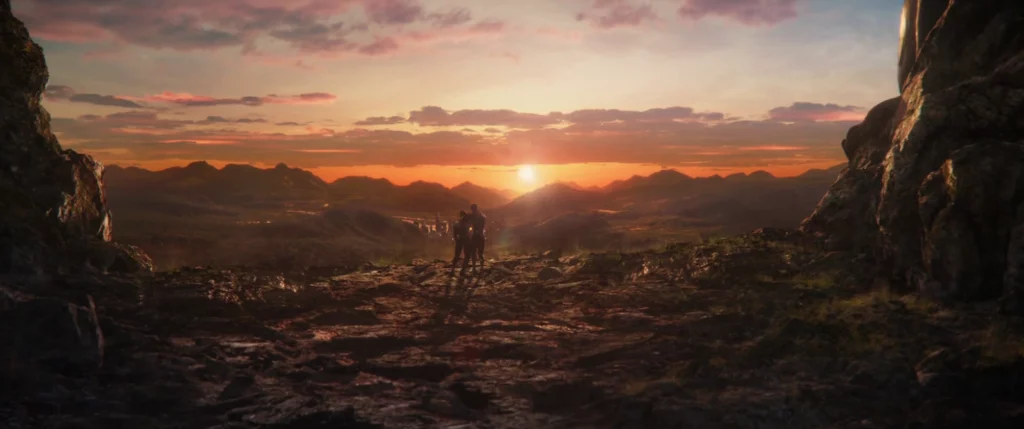
- Atop a mountain as the sun sets Killmonger refuses treatment for his injuries and stands by his morals before passing. The audience has to respect him and even pity his plight.
Members only
This article continues in our Members Area
Join SCREENWRITING: EVOLVED for full access to 700+ guides, whitepapers, the script library, industry interviews and much more.
Join SCREENWRITING: EVOLVED — just $9.99/monthCancel any time · No commitment
Not ready to join yet?