
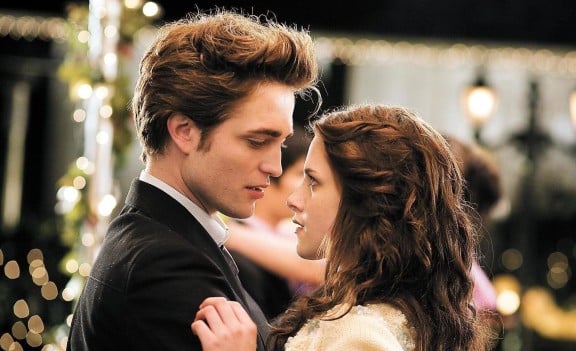
As a screenwriter, a trope can be both your best friend and your enemy. How is a writer meant to stand out when the same plot line has been repeated a million times before? At the same time, a trope is often a trope because it taps into something that audiences want to see. There is perhaps little better example of this than the Special Girl trope.
Film constantly influences society; how we think about ourselves and how we view others. A trope, therefore, can portray a damaging message. If the most popular films are presenting certain characters in one light, it can reinforce negative stereotypes. The Special Girl trope demonstrates this well.
Overall, it’s a tradition that has been present in recent years but that has been around for centuries. So what does it look like? How does it typically manifest in film and TV? In this article, we explore the Special Girl trope and what to do in order to avoid falling into its traps in your own screenwriting.
Table of Contents
- What is the “Special Girl” Trope?
- Why is The Special Girl Trope So Popular?
- The Original Special Girl
- Introducing the Special Girl
- The Special Girl and Femininity
- The Special Guy
- The Special Girl and Avoiding Toxic Relationships
- Idealism and The Special Girl
- In Conclusion – How to Avoid the Special Girl Trope
What is the “Special Girl” Trope?
We must first understand what it is and where it came from. So, who exactly is The Special Girl?
The Special Girl is a female protagonist, who on the surface seems completely ordinary, but who suddenly becomes extraordinary in the eyes of the Special Boy – who is usually the boy everybody else wants. This often leads others around her to feel jealous or simply baffled as they can not understand what is so brilliant about her. This, in turn, isolates her.
Well-known examples of Special Girl Characters include:
- Bella Swan in Twilight
- Anastasia Steele in Fifty Shades of Grey
- Francis “Baby” Houseman in Dirty Dancing
What these characters have in common is that they are not extraordinary, but they are treated that way when the Special Boy falls in love with them.
The audience is expected to believe the Special Girl is unique without any, or scant, evidence. They have very little of their own personality and their identity often revolves around their relationship. Instead of displaying any real special qualities, it is the male character’s interest in them that tells us we should route for her.

Members only
This article continues in our Members Area
Join SCREENWRITING: EVOLVED for full access to 700+ guides, whitepapers, the script library, industry interviews and much more.
Join SCREENWRITING: EVOLVED — just $9.99/monthCancel any time · No commitment
Not ready to join yet?
Comments are closed.