

Every screenwriter knows that writing a great screenplay takes more than just a good plot or good world building. It relies heavily on constructing memorable characters. Understanding character archetypes are an important step in this endeavor.
Character archetypes are broad character types that represent aspects of human nature that transcend time, location, and circumstance. In short, they reflect universal human motifs and experiences.
Because of this, they are mouldable and can be used again and again as a character template.
When these archetypes are used well, they result in characters and character arcs that feel instantly familiar but fresh. However, when overused or used poorly they become stock characters.
These are character archetypes that have been moulded into a more specific character type already. They often feel generic and flat since they lack any deeper characterization. This is especially true for stock characters used regularly enough to become cliches.
They might be quick, easy, and great for pushing out a book or movie fast. However, audiences recognize these fluff characters when they see them.
That doesn’t mean you should ignore them completely though! Part of being a great writer is subverting expectations. What better way to do this than using stock characters in new, inventive ways?
To help with this, we’ve compiled this list of 201 character archetypes and stock characters you can use to craft fantastic characters.
Archetypes A-B
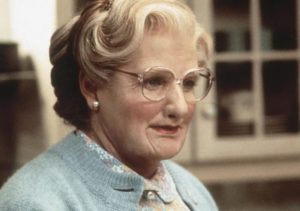
- Absent Father: A father who left his family or was never involved to begin with.
- Absent-Minded Professor: An often kindly and intelligent but distracted teacher.
- Addict: Character addicted to something, whether substances, a person, or a cause.
- Ambitious Queen: A queen wanting to gain more power.
- Angry Chef: A chef whose anger is to the detriment of himself as well as those around him.
- Anthropomorphic Personification: An abstract given physical form.
- Anti-Hero: A protagonist of a story who lacks heroic traits like idealism and morality.
- Authority Figure: Someone in a position of power, especially over a child.
- Author Surrogate: A way for the author/screenwriter to insert themselves into their work.
- Backstabbing Friend: A friend who ultimately betrays the protagonist.
- Bad Boy: A rebellious boy or man who doesn’t care about social convention, usually just for show.
- Bad Friend: The friend who either disregards those around them or somehow just constantly gets it wrong despite trying.
- Bard: Storyteller and music-maker singing tales of the past and commemorating heroic deeds.
- Believer: A character with strong spiritual, ethical, or supernatural beliefs.
- Benevolent Ruler: A ruler who is compassionate and empathetic towards their people.
- Blind Seer: A sightless woman who can instead see the future.
- Boss: A person in a position of power, namely in a company or job.
- Boy-Next-Door: Wholesome boy who is classically handsome.
- Bully: A character who hurts others to make themselves feel better about themselves.
- Bumbling Sidekick: An incompetent companion and helper to a hero.
- Bureaucrat: They insist on following the rules regardless of personal beliefs.
- Bruce Lee Clone: A stock character competent in various martial arts.
- Byronic/Tortured Hero: A hero who is usually arrogant, broody, and darkly romantic.
Members only
This article continues in our Members Area
Join SCREENWRITING: EVOLVED for full access to 700+ guides, whitepapers, the script library, industry interviews and much more.
Join SCREENWRITING: EVOLVED — just $9.99/monthCancel any time · No commitment
Not ready to join yet?
Comments are closed.