
Table of Contents
- What is a Police Procedural?
- The 10 Essential Steps to Writing a Police Procedural
- 1. Do Your Research
- 2. Interesting Protagonist(s)
- 3. Equally as Interesting Antagonist(s)
- 4. Setting
- 5. Point Of View
- 6. The Set Up
- 7. The Interaction between Protagonist and Antagonist
- 8. Make the Police Procedure Complex and Challenging
- 9. Adding a Deeper Connection between The Protagonist and The Case
- 10. Focus on Pace
- In Conclusion
- In Summary
What is a Police Procedural?
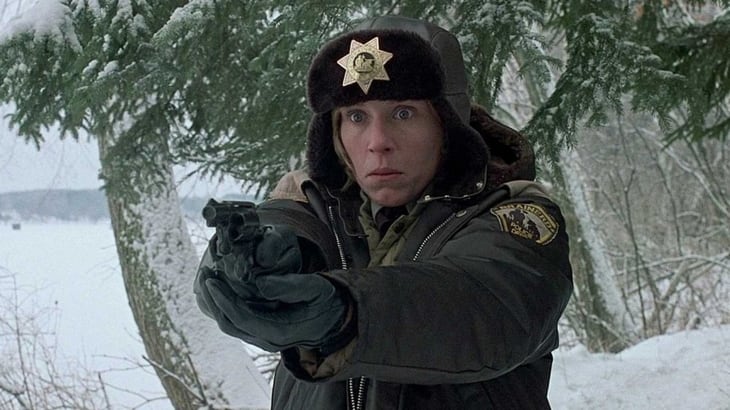
A police procedural is a sub-genre of the police drama. It’s also often referred to as an inverted detective story or a ‘howcatchem‘. Police procedural scripts highlight the investigative procedure of the police department and/or officer who acts as the main protagonist.
This differs from a ‘whodunnit‘, which emphasises finding out who committed the crime through uncovering the mystery. A police procedural often starts with a crime committed by our antagonists, so we know straight away who we’re looking for.
The police procedural is about coming along for the ride with the police as they investigate the criminals. It takes a traditional crime drama and uses a different structure to change how we see the narrative. It can allow for a more complex experience than a straightforward murder mystery and often favors in-depth characterisation.
Members only
This article continues in our Members Area
Join SCREENWRITING: EVOLVED for full access to 700+ guides, whitepapers, the script library, industry interviews and much more.
Join SCREENWRITING: EVOLVED — just $9.99/monthCancel any time · No commitment
Not ready to join yet?
Comments are closed.